
About us
Nurture Meditation is an Indigenous-woman-led wellness practice rooted in the sacred intersection of neuroscience, somatic healing, and ancestral knowledge.
Emotional Intelligence as Economic Infrastructure
As a Certified Canadian Indigenous Business (CCIB), we offer trauma-informed, evidence-based healing experiences designed to restore cognitive capacity, emotional intelligence, and nervous system regulation—especially for those navigating the historical community impacts of Complex Post-Traumatic Stress.
Founded by an eighth-generation descendant of Chief Poundmaker, Nurture Meditation is a healing practice and a cultural movement that reconnects us to our deepest intelligence—through breath, sound, and stillness.
We offer somatic breathwork, sound healing with crystal alchemy bowls, and guided meditation—designed to rewire neuroplasticity in both community and culture. Our methodology integrates Indigenous wisdom with the latest research in somatic science, creating the conditions for peak performance, creativity, and innovation.
In a world shaped by scarcity, extraction, and disconnection, Nurture Meditation restores a state of superabundance—where healing is not isolated or individual, but communal, embodied, and ecological.
-
Nurture Meditation elevates well-being and leadership capacity through Indigenous emotional intelligence technologies designed to sustain connection, resilience, and cultural wholeness. Rooted in Cree worldview and leading-edge neuroscience, our programs transform chronic stress into executive clarity through breathwork, meditation, sound baths, reflective journalling, and medicines grounded in kinship teachings from Robin Wall Kimmerer and Dr. Yuria Celidwen (Celidwen, 2020; Kimmerer, 2013). Our core teaching: connectivity is medicine.
-
Modern systems often attempt to treat symptoms—burnout, conflict, harmful workplaces—after cultural fracture has occurred. Trauma researcher Dr. Gabor Maté (2022) demonstrates that illness and dysfunction emerge when people become disconnected from themselves, their communities, and the natural world. Healing demands restoring relationship, not masking pain.
That is the original purpose of Indigenous medicine. Ceremony, song, story, and community are neurobiological technologies that proactively regulate stress, foster belonging, and prevent emotional harm long before it manifests in crisis (Maté, 2022; Celidwen, 2020).
This is the foundation of Emotional Intelligence as Economic Infrastructure. Technical expertise alone cannot build safe, effective organizations without nervous system literacy, empathy, and cultural safety.
-
Scientific findings confirm that once basic needs are met, increasing GDP through material consumption does not improve well-being. Instead, extractive and disconnected systems create negative health externalities—mental illness, CVD, loneliness, diabetes, disengagement—burdening national economies and workplaces. Sustainable, relational behaviours significantly improve health outcomes and economic resilience (Pretty et al., 2015).
This is why Nurture Meditation exists. True economic development is rooted in nurture, not extraction. We train in academia, we train our bodies; we must also train our emotions and nervous systems.
We help leaders flourish like the acorn becoming the oak: continually growing, collaborating with the wider ecosystem, and producing new acorns so future forests—future generations—can thrive. Indigenous economics teaches that every decision must uplift the next seven generations, transforming individual resilience into collective prosperity.
Ideal for any institution where human judgment and relational trust determine outcomes. Nurture Meditation strengthens the human nervous system, the true infrastructure driving performance, safety, innovation, and community trust.
Your people are your infrastructure. When they are nurtured, the entire system becomes more intelligent.
-
Britt, R. (2022). The myth of normal: Trauma, illness & healing in a toxic culture. Avery. (Dr. Gabor Maté)
Celidwen, Y. (2020). Indigenous contemplative science: Indigenous contemplative wisdom and the neurophysiology of belonging. Journal of Contemplative Inquiry, 7(1), 53–70.
Kimmerer, R. W. (2013). Braiding sweetgrass: Indigenous wisdom, scientific knowledge, and the teachings of plants. Milkweed Editions.
Pretty, J., Barton, J., Bharucha, Z. P., Bragg, R., Pencheon, D., Wood, C., & Depledge, M. H. (2015). Improving health and well-being independently of GDP: Dividends of greener and prosocial economies. International Journal of Environmental Health Research.


We are guided by a sacred belief:
Just as the acorn holds the blueprint of the oak, every person is born with the capacity to flourish.
All it takes is the right conditions.
We call that Nurture.
Mission
At Nurture Meditation, our mission is to restore the human capacity to feel, heal, and lead through trauma-informed meditation, sound healing, and breathwork rooted in Indigenous wisdom and contemporary neuroscience. We create inclusive, accessible spaces where individuals of all backgrounds can reconnect with their nervous systems, nurture emotional intelligence, and reclaim their innate potential to thrive.
Vision
We envision a world where healing is not a luxury but a birthright—where every person has access to culturally grounded, scientifically supported tools to restore balance in body, mind, and spirit. Through meditation as ceremony and community care, we are nurturing the next generation of changemakers—leaders who embody resilience, dignity, and the courage to transform.
Our Values

We honour the ancestral knowledge systems that guide us, offering teachings with integrity, humility, and respect for their cultural origins.
Indigenous Wisdom
Our methods are grounded in neuroscience, somatic psychology, and evidence-based modalities, ensuring our work is both rigorous and relational.
Science-Based Practice
We value the cultivation of self-awareness, empathy, and emotional fluency as foundational to personal and collective leadership.
Emotional Intelligence
Inclusivity and Accessibility
We welcome people of all identities and experiences, designing our offerings to be inclusive, trauma-informed, and culturally respectful.
We believe healing restores not only individuals, but the potential for families, organizations, and nations to thrive.
Healing as Leadership
Our work is ceremonial in nature—anchored in presence, reciprocity, and the sacred responsibility of holding space.
Integrity and Ceremony
Like the acorn, we believe every person is born with the encoded potential to flourish. With care, safety, and guidance, growth is inevitable.
Nurturing Potential

Our Team
-

Angela Poundmaker, Founder
Angela Poundmaker is the Founder of Nurture Meditation: Meditation Science Rooted in Indigenous Wisdom. She is an eighth-generation descendant of Chief Poundmaker, a visionary Plains Cree leader who championed peace, protected his people, and stood with unshakable courage in the face of colonial oppression. A Sixties Scoop Survivor and former child in care, Angela rises from a lineage of resistance and love; carrying forward a sacred responsibility to lead, grow, and replant wellness for future generations.
She carries the strength and spirit of a powerful matriarchal line—honouring her late Kookum, Eva Poundmaker, a Residential School Survivor and fierce family advocate; her birth mother, Vivienne Poundmaker, a Sixties Scoop Survivor and lover of the arts; and her Aunty Mavis Poundmaker-Billesberger, the family gatherer and nurturer, with whom Angela is now reconnecting and cultivating a deep and meaningful relationship. She also honours her late Aunty Roxanne Tootoosis, a scholar and beloved Indigenous Knowledge Keeper, who entrusted Angela with the responsibility to carry forward the love, power, and truth of Cree culture.
Based in Kjipuktuk (Halifax), Nova Scotia, Angela is a facilitator of Indigenous leadership development and nervous system education, offering trauma-informed, culturally grounded training to individuals, organizations, and institutions across Turtle Island. As both a creative and an academic, Angela believes that culture is the foundation of emotional intelligence, and that violence; whether systemic or personal, is a sustainability issue that threatens the potential of all living things.
Through the wisdom of her Ancestors; past, present, and future, Angela’s life work is to replant wellness and restore wholeness to Turtle Island through the integration of Art, Science, and Indigenous Wisdom.
-

Wayne D. Garnons-Williams, B.A., J.D., MPA, LL.M.
Wayne Garnons-Williams, BA (Windsor), LLB (Queen’s), MPA (Dalhousie), LLM (Oklahoma) Wayne is the CEO of the not-for-profit registered charity, the National Sixties Scoop Healing Foundation of Canada. Wayne is a lecturer at the University of Waterloo, United College, bachelor of Indigenous entrepreneurialism program. He is also the Senior Lawyer and Principal Director of the law firm Garwill Law Professional Corporation. Further, he leads an international business entitled Indigenous Sovereign Trade Consultancy Ltd. and is the founding President of the International Inter-tribal Trade and Investment Organization (IITIO) a 501 (c)(3) educational charity incorporated in Oklahoma with international representation from Australia, New Zealand, Taiwan and Canada.
He is past board secretary of the Council of the Great Lakes Region, past Chair of the Federation of Saskatchewan Indian Nations Appeal Tribunal, past Chair of the National Council of Federal Aboriginal Employees and is currently on the board of directors of the International Law Association and is one of the founding members of the Working Group on Indigenous International Trade. Wayne was instrumental in advising on the development of Indigenous trade policy for Canada as well as being appointed lead Canadian Indigenous negotiator for the Indigenous Peoples Economic Trade and Cooperation Arrangement (IPETCA).
Wayne is also a Research Fellow specializing in International Comparative Indigenous law at the University of Oklahoma, College of Law as well as a Senior Legal Fellow for the Centre for International Sustainable Development Law. He was appointed by Order in Council as a member to the NAFTA Chapter 19 Trade Remedies roster and then appointed in 2020 as a CUSMA Advisory Committee Member on Private Commercial Disputes, Article 31.22.
He is the Council for Aboriginal Business 2019 award winner for Excellence in Aboriginal Relations, the 2020 Queen’s University Alumni Award winner, the recipient of the 2020 International Legal Specialist in Peace, Justice and Governance Award from the Centre for International Sustainable Development Law, the 2024 United States-Canada Law Institute recipient of the Sidney J. Picker Award for contributing to the development of US-Canada relations, the 2024 H.R.S. Ryan Law Alumni Award of Distinction in recognition for outstanding contributions to the faculty, university, and legal profession, Queen’s University, Faculty of Law and the 2024 Oklahoma Supreme Court Sovereignty Symposium medallion for outstanding contributions in furthering Indigenous legal issues. Wayne is from the Moosomin First Nation, Treaty 6.
-

Candice Cook
My name is Candice Cook (she/her), and I am a member of Driftpile Cree Nation through my dad’s side and Métis with connections to the Cunningham family on my mom’s side. I also carry mixed European ancestry (German, Scottish, English, and French). I was born and raised on the southern shores of the Lesser Slave Lake in Treaty 8 Territory and have been a grateful guest on lək̓ʷəŋən and W̱SÁNEĆ territory since 2021.
My passion for education and lifelong learning has led me to pursue roles where I would work alongside learners through multiple stages in their education journeys. It also led me to delve into Indigenous curriculum and find ways to create learning experiences that would be meaningful and nurturing for Indigenous learners.
I began my career as a teacher in 2015. I was a high school teacher in Slave Lake for three years until an urge to travel and explore the world led me to become an elementary teacher in Prague, Czech Republic. After spending a year abroad, opportunities to deepen my knowledge of Indigenous Education and to work alongside Indigenous learners, called me back to Alberta where I enrolled in a Master’s Degree in Education Policy Studies, specializing in Indigenous Peoples' Education at the University of Alberta and joined the Braided Journeys Program within the Edmonton Catholic School Division as an Indigenous Graduation Coach. In 2021, I completed my Master’s Degree, moved to Victoria, and began my career in higher education supporting Indigenous learners by creating learning opportunities design to support learns academically, culturally and personally.
I am also passionate about promoting wellness and healing within our communities in ways that honour and reflect our values and teachings. I recognize as well that there are various and distinct teachings and values within each Nation and community across Turtle Island and that my own learning journey in understanding how to do this work in a good way will be life long and that I do not do this work alone.
I’m excited to work alongside Angela and the rest of the team at Nurture Meditation to support their work offering exceptional healing experiences rooted in Indigenous wisdom and contemporary neuroscience.
-
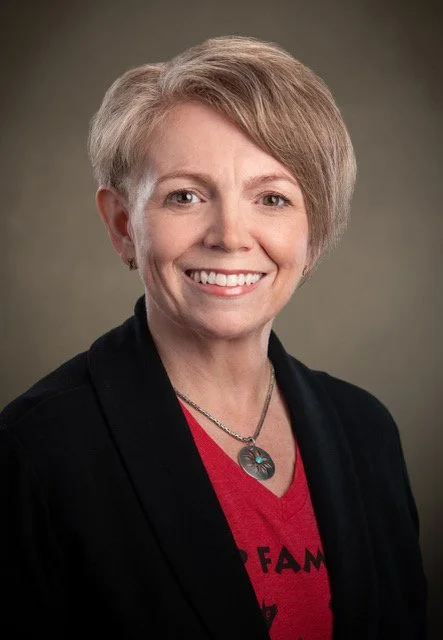
De-Ann Sheppard
Nein teluisi De-Ann Sheppard. Tleyawi Ktaqmkuk. My name is De-Ann Sheppard and I come from what is now known as Newfoundland and Labrador. I am a proud L’nu* woman of Mi’kmaw and Irish descent, a citizen of the Wabanaki confederacy, member of St. Georges First Nation Band (Qalipu), and my pronouns are she/hers/elle/ nekm. I have had the privilege of working as a nurse practitioner for over 30 years in many rural and remote Indigenous communities across Canada. I am a primary healthcare nurse practitioner registered in the extended class in Ontario and RN in Nova Scotia. I was born and raised in Labrador. I am the oldest daughter of four girls; mother to two sons with big hearts, a partner, friend, grandmother, auntie, nurse practitioner, nurse educator, PhD candidate, peer mentor and emerging scholar. My formal nursing education began with the Sisters of Mercy at St. Clare’s Mercy Hospital School of Nursing in 1987. In 1998 I went on to complete a BScN and Primary Healthcare Nurse Practitioner certificate at the University of Ottawa and pioneered the role for many years. I later moved into leadership roles simultaneously developing my trauma informed and Culturally Safe counselling skills as I completed a master’s in health care quality at Queen’s University.
I am a PhD candidate in Adult Education and Community Development specializing in Indigenous Health. A program steeped in social justice and informed by post-colonial Indigenous feminist scholarship. My dissertation, Honoring the Spirit of Mi’kmaw Nursing Knowledge: Critical Auto-ethnography as Transformative Teacher, explores the Wisdom of Mi’kmaw nursing trailblazers’ experiences of nursing education and practice. Indigenous critical auto-ethnography allowed me to explore my power and privilege as I began to untangle and decolonize my practice. I have proposed a metatheory for nursing from an Indigenous perspective. The heart of my research sits in the stories of L’nu nurses as a space to reclaim L’nu epistemologies through Mi’kmaw values and language. Most importantly these stories hope to fully appreciate the Ksaltultinej (love in action) that nurses embody in their everyday lives, the ability to recognize the complex sociopolitical contexts and colonized structures they negotiate, and to leverage the capacity they have as community leaders, healers, researchers, advocates, and activists. As a doctoral candidate and nurse educator I create decolonized teaching and research spaces, as places for transformative healing. As an Indigenous scholar and critical educator, I see my research as a contribution to growing this revolutionary nursing consciousness, pedagogy and curriculum.
My daily intention is to lead a life of gratitude, guided by my heart and that all thoughts, acts and deeds are done with integrity. In my heart I carry my teachings, stories and wisdom. My true work is to be an active presence, share my gifts, and to facilitate research and learning in a healing way, to create spaces where we feel inspired and courageous while feeling safely held at the same time. The commitment required to embark on this journey is humbling as each new dawn shows how much more there is to learn and the (Re)sponsibility to share this knowledge. Deep gratitude to all of my Teachers, Elders past and present for the generosity of their heart knowledge Msit No’kmaq (All my Relations).
-

Amanda Carvalho
Amanda Carvalho (she/her/ela) is a Brazilian award-winning multidisciplinary designer, strategist, and independent researcher bridging culture and design. She is the founder of acdesign & strategy, a BIPOC, queer, immigrant, and women-owned creative studio that builds bold, meaningful visual identities and websites with care, purpose, and equity at the core.
Born and raised on the ancestral lands of the Guarani Mbyá and Tupi, Kaingang, Krenak, and Terena Peoples in São Paulo, Brazil, Amanda now calls Treaty 1 Territory (Winnipeg, Canada) home.
With fifteen years of experience, she has had the privilege of working with agencies, design studios, startups, art institutions, universities, non-profits, organizations, and corporations. Amanda holds an MA in Cultural Studies from the University of Winnipeg and a BA in Visual Communication (Graphic Design) from Centro Universitário SENAC.
Rooted in both creative practice and critical inquiry, Amanda’s work lives at the intersection of design, culture, and social impact. She approaches design as a reflexive, meaning-making practice — one that shapes and is shaped by the world around us. Drawing from her academic background, she weaves together theory and practice to challenge dominant design norms and reimagine the field through an equity-centered lens.
Balancing creativity with business realities is part of her path as an independent studio owner — one she embraces for the autonomy and flexibility it brings. Her schedule reflects that rhythm: slow mornings filled with cat purrs, creative peaks around 4 p.m., and gym evenings to recharge her body and mind.
Amanda’s passion extends beyond client work. She is dedicated to empowering designers by holding space for the design community to question Eurocentric standards and by developing inclusive, equity-centered frameworks that promote diverse perspectives, drive innovation, and shape socially responsible design.
Through her studio, writing, and community engagement, Amanda continues to build a practice grounded in self-awareness, reflexivity, and plurality — reimagining what design can look like when guided by justice, empathy, and intention.

Begin your growth journey today
Join our science-backed, Indigenous-led training to restore your nervous system, deepen clarity, and lead with purpose.